

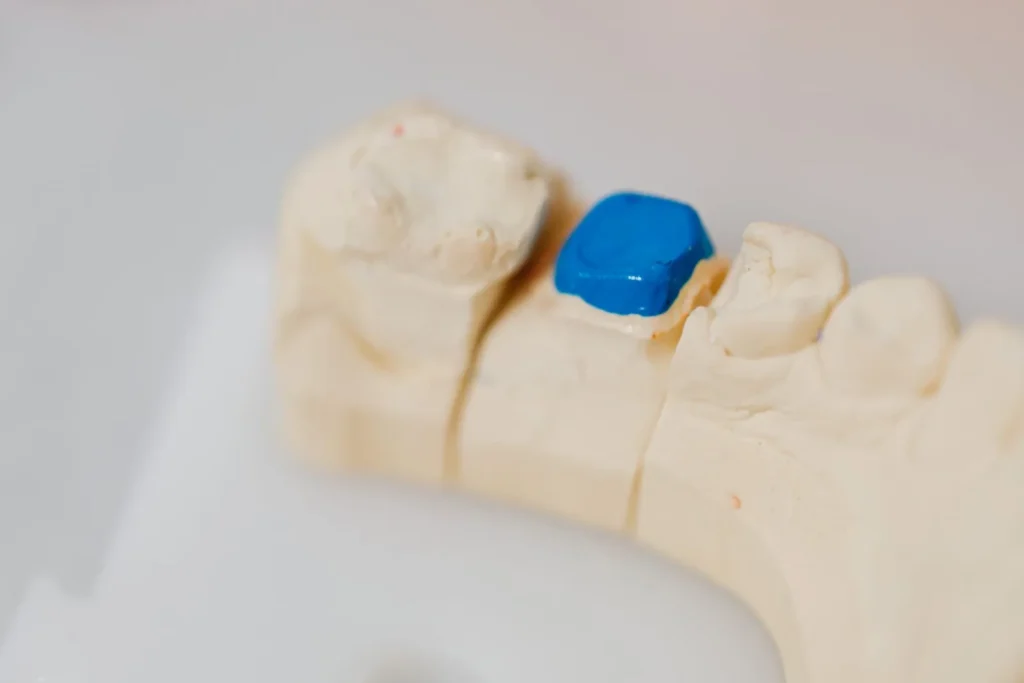
Repairing decayed or broken teeth with tooth-coloured fillings that preserve their natural look.
Dental Fillings
A dental filling is a basic dental procedure used to treat problems such as decay or fractures. The damaged part of the tooth is cleaned and the cavity is filled with a suitable material to restore the tooth's shape and function.
Tooth decay occurs when acids produced by bacteria wear away tooth enamel. Untreated decay can spread to the inner parts of the tooth and may require root canal treatment. That is why treating decay early is so important.
Materials we use
- Composite fillings: Match the colour of your teeth and give aesthetic results on both front and back teeth.
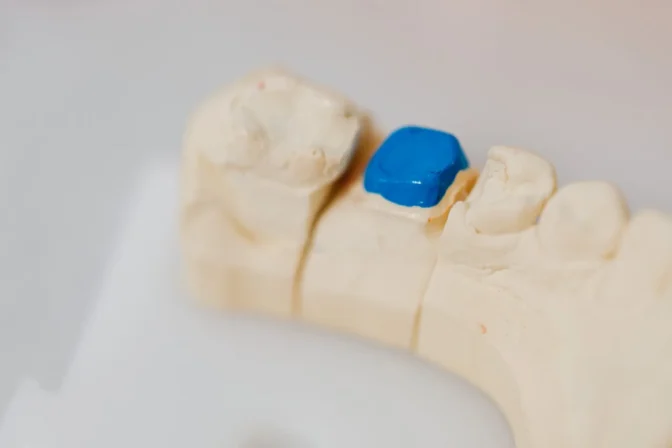
- Ceramic inlays/onlays: Durable, aesthetic restorations made from impressions or digital scans for larger areas of tooth loss.
How is the procedure done?
If needed, local anaesthesia is applied, the decayed tissue is removed, and the filling material is placed in layers, shaped and hardened. Finally, the bite is checked and the filling is polished. The procedure is usually painless.

Treatment Process
Examination and assessment
A personalised treatment plan
Treatment and follow-up
Frequently Asked Questions
When can I eat after a filling?
Composite fillings are hardened with light, so you can eat shortly afterwards. If anaesthesia was used, it is best to wait until the numbness wears off.
How long do fillings last?
The lifespan of a filling depends on its size, location, your oral hygiene and your eating habits. With regular check-ups, fillings can last a long time.
Should my old amalgam fillings be replaced?
Intact amalgam fillings without leakage do not always need replacing. If there is a fracture, leakage or a cosmetic concern, the decision is made after an examination.